
Chakra System Explained: The Seven Chakras, Their Meaning, Location, and Purpose
Have you ever felt like your energy was blocked, your emotions were overwhelming, or your sense of purpose felt unclear? Understanding the chakra system explained can offer powerful insights into these experiences. The chakra system is an ancient framework that maps energy centers throughout your body, each influencing your physical health, emotional state, and spiritual awareness.
In this guide, we’ll explore the seven chakras meaning and location, signs of imbalance, and practical ways how to balance your chakras for greater well-being. Whether you’re new to energy work or deepening your practice, this article offers clarity and actionable steps.
Chakra System Explained: What It Is and Why It Matters
Definition and Origin of the Chakra System
The term “chakra” comes from Sanskrit, meaning “wheel” or “turning.” For thousands of years, yogis and spiritual practitioners have recognized chakras as energy centers within the subtle body—an energetic field beyond our physical anatomy.
While chakras originated in ancient Indian traditions, similar energy systems appear across cultures worldwide. These spinning vortexes of energy influence how we think, feel, and interact with the world around us.
Today, the chakra system explained helps people understand the connection between their physical symptoms, emotional patterns, and spiritual growth. It’s not just mystical—many wellness professionals now integrate chakra work into holistic healing practices.
How the Chakra System Influences Mind, Body, and Spirit
Each chakra governs specific organs, glands, and emotional themes. When energy flows freely through these centers, you experience vitality, emotional balance, and mental clarity.
However, stress, trauma, limiting beliefs, and unhealthy habits can create blockages. These disruptions manifest as physical illness, emotional turbulence, or feeling disconnected from your purpose.
Understanding your chakras offers a roadmap for healing. By identifying where energy is stuck or excessive, you can address root causes rather than just symptoms.
The Seven Chakras Meaning and Location
Let’s explore the seven chakras meaning and location from the base of your spine to the crown of your head. Each center has unique characteristics that influence different aspects of your life.
Root Chakra (Muladhara) – Grounding and Survival
Location: Base of the spine, between the coccyx and pelvic bone
Color: Red
Element: Earth
Associated Gland: Adrenals
The root chakra connects you to physical existence and survival instincts. It governs your sense of safety, stability, and basic needs like food, shelter, and financial security.
Balanced: Feeling grounded, secure, and present
Imbalanced: Anxiety about money, feeling unanchored, lower back pain
Sacral Chakra (Svadhisthana) – Emotions and Creativity
Location: Lower abdomen, below the navel
Color: Orange
Element: Water
Associated Gland: Ovaries/testes
Your sacral chakra is the center of creativity, pleasure, and emotional expression. It influences relationships, sexuality, and your ability to experience joy.
Balanced: Creative flow, emotional intelligence, healthy boundaries
Imbalanced: Emotional numbness, creative blocks, relationship difficulties
Solar Plexus Chakra (Manipura) – Personal Power and Energy
Location: Upper abdomen, above the navel
Color: Yellow
Element: Fire
Associated Gland: Pancreas
This chakra governs your sense of self, confidence, and personal power. It’s where you metabolize experiences and assert your will in the world.
Balanced: Confident, energized, self-disciplined
Imbalanced: Low self-esteem, control issues, digestive problems
Heart Chakra (Anahata) – Love and Emotional Balance
Location: Center of the chest
Color: Green or pink
Element: Air
Associated Gland: Thymus
The heart chakra bridges the lower physical chakras and upper spiritual ones. It’s the center of love, compassion, and emotional healing.
Balanced: Loving, empathetic, emotionally centered
Imbalanced: Codependency, fear of intimacy, heart problems
H3: Throat Chakra (Vishuddha) – Communication and Expression
Location: Throat area
Color: Blue
Element: Sound
Associated Gland: Thyroid
Your throat chakra governs authentic self-expression, communication, and speaking your truth. It processes all energies moving between your head and body.
Balanced: Clear communication, good listening, creative expression
Imbalanced: Difficulty speaking up, excessive talking, throat issues
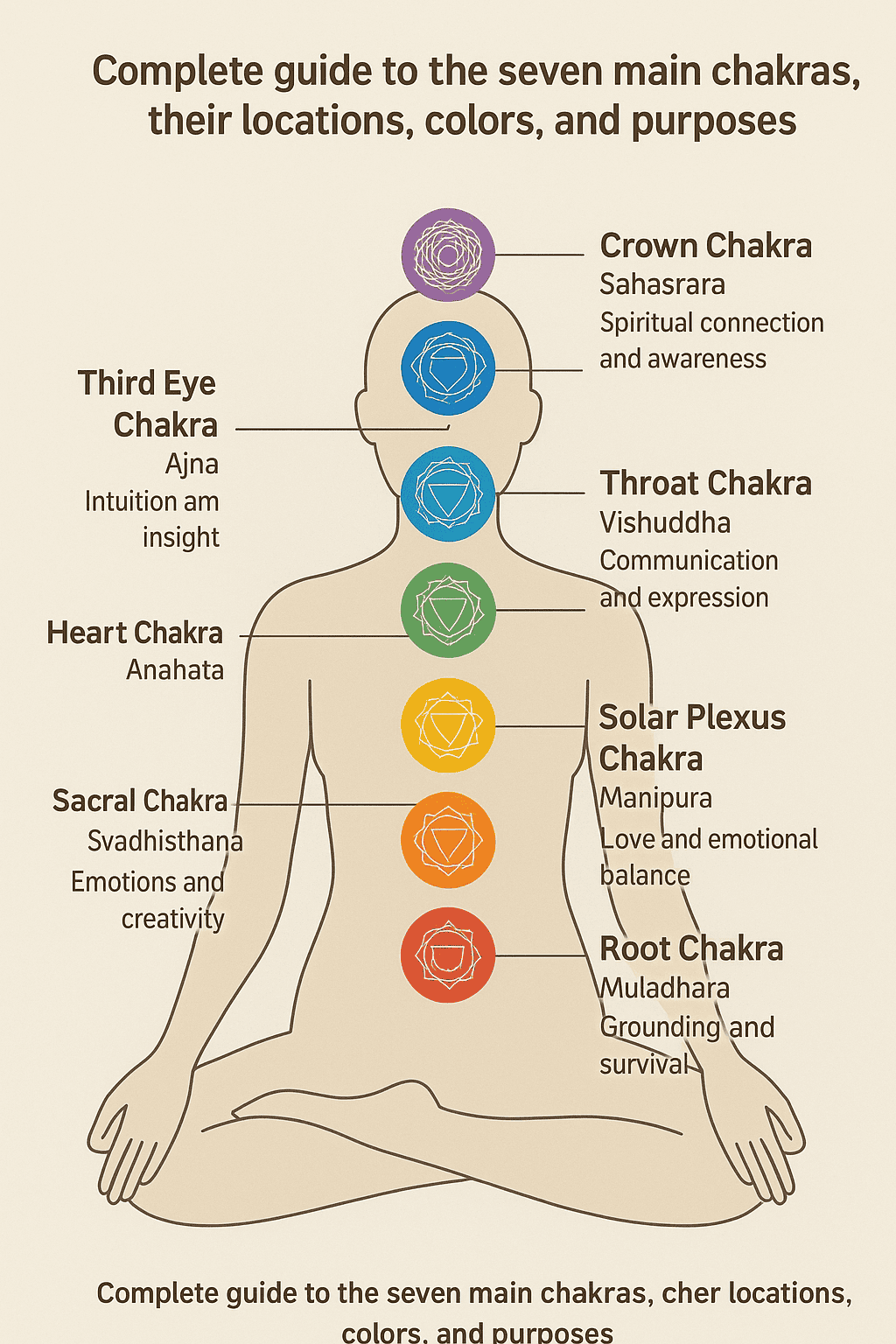
Third Eye Chakra (Ajna) – Intuition and Insight
Location: Between the eyebrows
Color: Indigo
Element: Light
Associated Gland: Pituitary
The third eye is your center of intuition, imagination, and inner wisdom. It allows you to perceive beyond the physical and access deeper insights.
Balanced: Strong intuition, clear vision, good memory
Imbalanced: Confusion, nightmares, difficulty concentrating
Crown Chakra (Sahasrara) – Spiritual Connection and Awareness
Location: Top of the head
Color: Violet or white
Element: Thought/consciousness
Associated Gland: Pineal
The crown chakra connects you to universal consciousness and spiritual awareness. It’s where you experience unity with something greater than yourself.
Balanced: Spiritual connection, wisdom, sense of purpose
Imbalanced: Spiritual disconnection, close-mindedness, depression
Chakra System Explained Through Energy Flow and Perception
Chakras and the Subtle Energy Body
The chakra system explained reveals that we exist on multiple levels beyond the physical. Your subtle energy body contains these spinning energy centers that interact with your thoughts, emotions, and physical health.
Think of chakras as transformers that process universal energy into forms your body can use. They filter experiences, memories, and emotions, creating patterns that shape your reality.
How Energy Moves Through the Spine
Energy flows vertically through your spine, connecting all seven major chakras. The root chakra draws earth energy upward, while the crown chakra channels spiritual energy downward.
When this flow is unobstructed, you feel aligned and whole. Blockages in any chakra can affect those above and below it, creating cascading imbalances.
Signs of Chakra Imbalance and Energy Blockages
Excessive vs Deficient Chakra Activity
Chakra imbalances manifest in two primary ways:
Excessive: The chakra is overactive, spinning too fast or too open
Deficient: The chakra is underactive, blocked, or closed
For example, an excessive heart chakra might show as codependency or losing yourself in relationships. A deficient heart chakra appears as emotional coldness or fear of intimacy.
Physical, Emotional, and Psychological Symptoms
Each imbalanced chakra creates specific symptoms:
Physical: Pain, illness, or dysfunction in associated body areas
Emotional: Mood swings, anxiety, depression, or emotional numbness
Psychological: Limiting beliefs, cognitive distortions, or behavioral patterns
Recognizing these signs helps you identify which chakras need attention. Your body constantly communicates through symptoms—learning to listen is key.
For deeper understanding of how mental patterns affect energy, explore our guide on how to control your mind.
How to Balance Your Chakras Naturally
Chakra Balancing Through Meditation
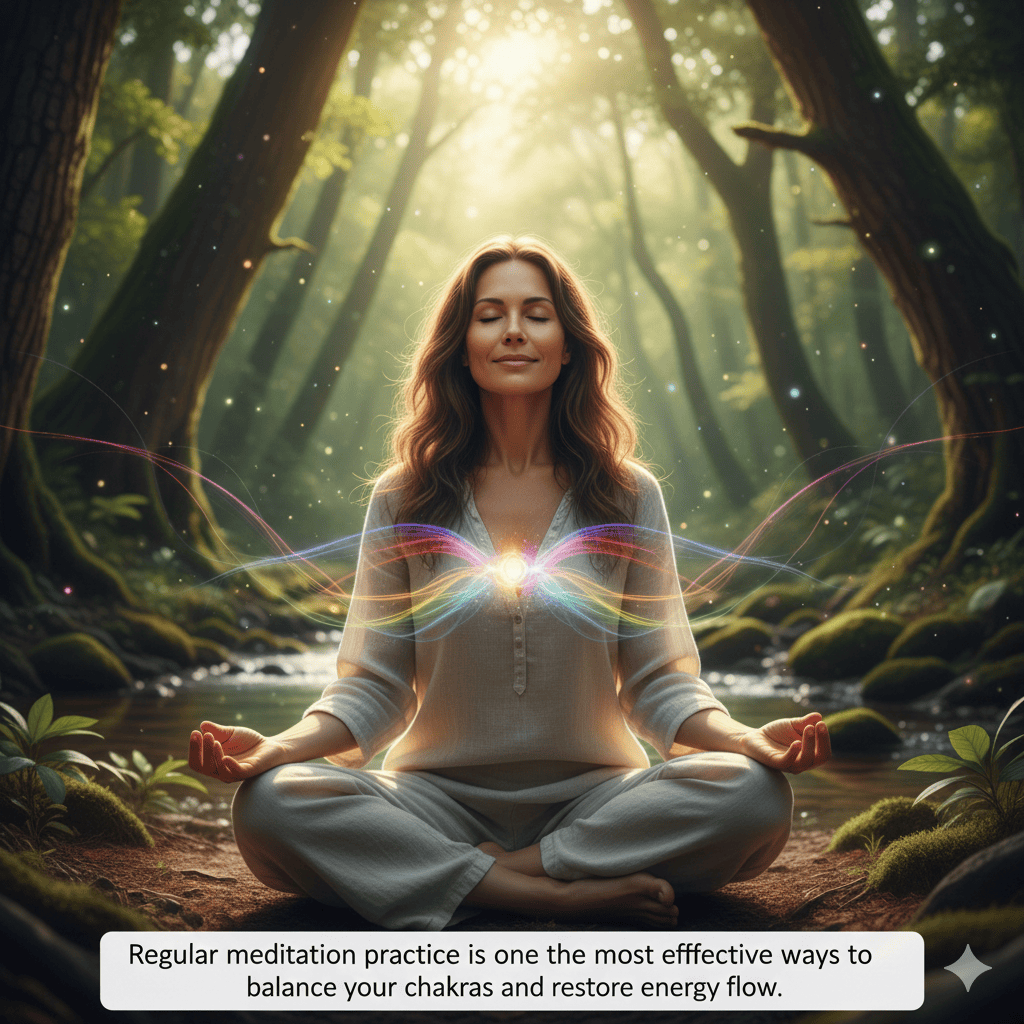
Meditation is the most accessible and effective way how to balance your chakras. By bringing conscious awareness to each energy center, you can release blockages and restore flow.
A simple practice: Sit comfortably, close your eyes, and visualize each chakra as a spinning wheel of light. Start at the root and move upward, spending 2-3 minutes on each center. Notice any sensations, emotions, or images that arise.
To learn foundational meditation techniques, visit our comprehensive What is Meditation guide.
For expert guidance on chakra meditation specifically, check out this chakra meditation resource (opens in new tab).
Breathwork, Visualization, and Awareness
Breathwork: Direct your breath to specific chakras. For the root, breathe deeply into your lower belly. For the heart, focus on chest expansion.
Visualization: Imagine each chakra’s associated color glowing brightly. See blockages dissolving like ice melting in warm light.
Awareness: Simply noticing which chakras feel blocked or excessive begins the healing process. Consciousness itself is transformative.
Daily Lifestyle Habits That Support Chakra Balance
Beyond meditation, everyday choices affect your energy:
- Root: Regular exercise, healthy eating, financial responsibility
- Sacral: Creative activities, emotional expression, healthy pleasure
- Solar Plexus: Setting boundaries, taking action, physical movement
- Heart: Practicing gratitude, acts of kindness, time in nature
- Throat: Authentic communication, singing, journaling
- Third Eye: Reflection, visualization, limiting screen time
- Crown: Meditation, spiritual study, moments of silence
Small, consistent practices create lasting change. You don’t need hours—even 10 minutes daily makes a difference.
Chakra System Explained in Modern Healing Practices
Chakras and the Endocrine System
Interestingly, each chakra corresponds to major endocrine glands. The root chakra aligns with the adrenals, the throat with the thyroid, and the crown with the pineal gland.
This connection suggests that ancient wisdom about energy centers may correlate with modern understanding of hormonal regulation and bodily functions.
Scientific Perspectives on Energy Healing
While Western science hasn’t fully validated the chakra system, research on meditation shows measurable benefits:
- Reduced cortisol (stress hormone)
- Decreased blood pressure and heart rate
- Improved immune function
- Enhanced emotional regulation
- Increased alpha brain waves associated with relaxation
Studies by researchers like Valerie Hunt at UCLA have detected electromagnetic frequencies over chakra areas that differ from other body locations. While more research is needed, these findings suggest something measurable occurs at these traditional energy points.
Chakra Meditation Benefits for Mental and Emotional Health
Stress Reduction and Emotional Regulation
Regular chakra meditation activates your parasympathetic nervous system, counteracting stress responses. By identifying which chakras hold tension, you can address specific emotional patterns.
For instance, throat chakra work helps if you struggle with self-expression. Heart chakra meditation soothes relationship anxiety.
Improved Focus, Intuition, and Inner Calm
Chakra awareness strengthens the connection between your conscious mind and subtle energy. Over time, you develop:
- Sharper intuition and decision-making
- Greater emotional resilience
- Deeper sense of purpose and direction
- Enhanced creativity and problem-solving
The practice cultivates what we call the subtle joy of being present—a grounded awareness that transforms daily life.
How to Balance Your Chakras for Long-Term Well-Being
Creating a Consistent Chakra Meditation Practice
Consistency matters more than duration. Consider:
- Morning practice: 10 minutes to align energy before your day
- Evening practice: Release accumulated stress and tension
- Weekly deep dive: 30-60 minutes for thorough chakra work
Track your experiences in a journal. Notice patterns between chakra states and life circumstances.
Common Mistakes to Avoid When Balancing Chakras
Forcing results: Energy work requires patience. Trust the process.
Ignoring physical needs: Chakra work complements but doesn’t replace medical care, therapy, or practical life changes.
Skipping lower chakras: Don’t only focus on “spiritual” upper chakras. Grounding through root and sacral work provides a stable foundation.
Comparing progress: Your energy system is unique. Honor your own pace and experience.
Chakra System Explained for Beginners
Simple Chakra Practices Anyone Can Start Today
You don’t need special tools or training to begin:
- Body scan: Close your eyes and notice sensations from feet to head. Where do you feel tension or openness?
- Color breathing: Inhale imagining red light filling your root chakra. Exhale releasing stagnant energy. Move up through all seven colors.
- Affirmations: Use simple statements like “I am grounded and safe” (root) or “I express myself clearly” (throat).
- Movement: Yoga poses naturally stimulate specific chakras. Even gentle stretching supports energy flow.
How to Stay Grounded While Exploring Energy Work
Spiritual practices can sometimes feel ungrounding. Keep yourself anchored by:
- Maintaining regular routines and responsibilities
- Spending time in nature and physical activity
- Eating nourishing, whole foods
- Staying connected to supportive relationships
- Balancing meditation with practical action
Remember, the goal isn’t to escape life but to engage with it more fully and consciously.
Integrating the Seven Chakras Meaning and Location into Daily Life
Using Awareness and Presence to Support Energy Flow
You don’t always need formal practice. Throughout your day, pause and check in:
- Feeling anxious? Breathe into your root chakra
- Struggling to decide? Connect with your solar plexus
- Conflict arising? Open your throat and heart chakras
- Needing clarity? Tune into your third eye
This ongoing awareness transforms chakra knowledge from concept to lived experience.
Aligning Thoughts, Emotions, and Actions
The chakra system explained shows how different aspects of yourself need integration:
- Thoughts (crown/third eye) inform your understanding
- Emotions (heart/sacral) provide guidance and motivation
- Actions (solar plexus/root) manifest intentions in the world
- Communication (throat) bridges all these dimensions
When these align, you experience what’s called “coherence”—a state of inner harmony where everything flows naturally.
How to Balance Your Chakras Safely and Effectively
Gentle Techniques for Beginners
Start slowly and gently:
- 5-minute color visualization focusing on one chakra
- Walking meditation for root chakra grounding
- Gratitude practice for heart chakra opening
- Creative expression for sacral chakra activation
Listen to your body. If something feels overwhelming, dial back the intensity or duration.
When to Seek Guidance or Professional Support
While chakra work is generally safe, consider professional support if:
- You’re processing trauma or serious mental health concerns
- Physical symptoms persist or worsen
- You feel destabilized by energy practices
- You want deeper, personalized guidance
Energy healers, yoga therapists, and holistic practitioners can provide tailored support. Always maintain appropriate medical and psychological care alongside energy work.
Chakra System Explained: Key Takeaways and Next Steps
Summary of the Seven Chakras Meaning and Location
We’ve explored the chakra system explained from root to crown:
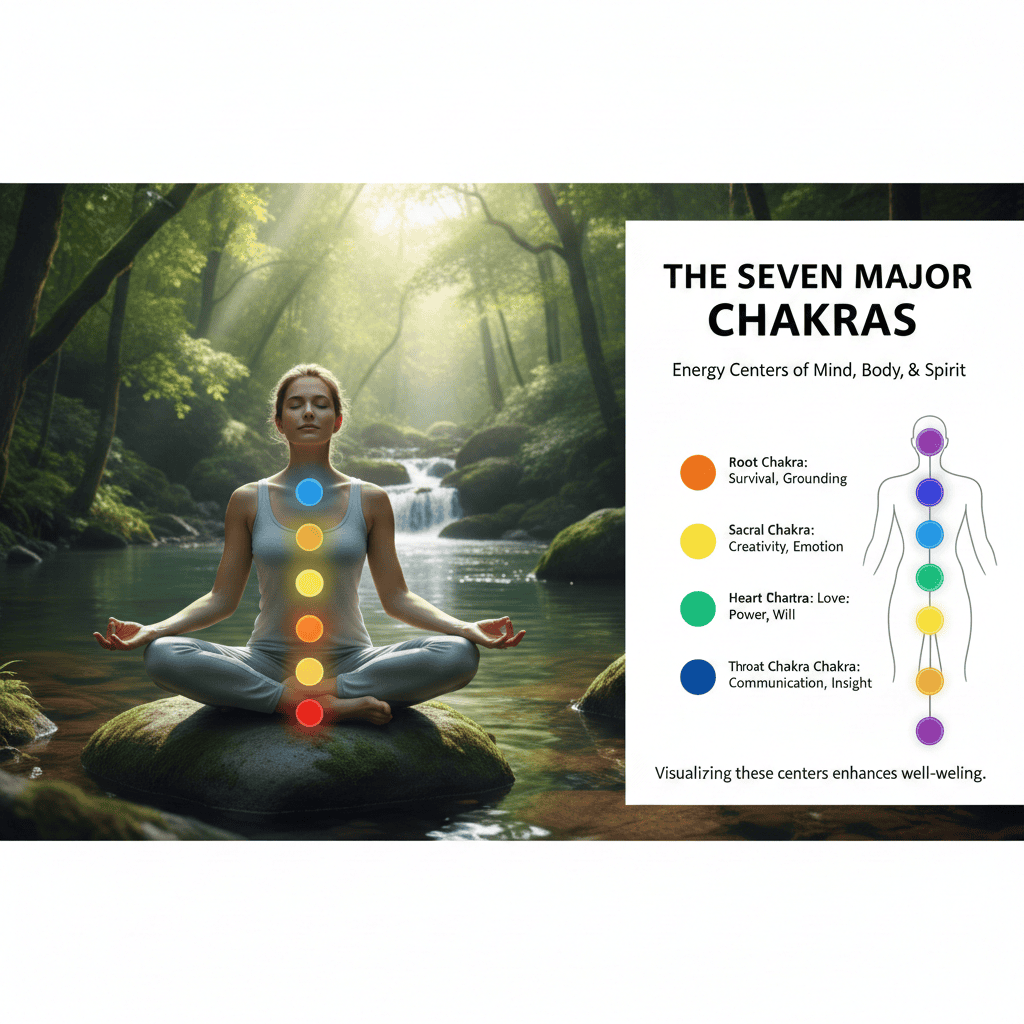
Root (red): Grounding, survival, physical needs
Sacral (orange): Emotions, creativity, pleasure
Solar Plexus (yellow): Power, confidence, will
Heart (green/pink): Love, compassion, connection
Throat (blue): Communication, expression, truth
Third Eye (indigo): Intuition, insight, vision
Crown (violet): Spirituality, wisdom, unity
Each center influences specific physical systems, emotional patterns, and aspects of consciousness. Understanding how to balance your chakras empowers you to address imbalances holistically.
Building Awareness for Lifelong Balance
Chakra work isn’t about perfection—it’s about awareness. As you navigate life’s challenges, your energy system will shift and change. That’s natural and healthy.
The practices you’ve learned here provide tools for ongoing self-discovery and healing. Start small, stay consistent, and trust your inner guidance. Your energy system wants to return to balance; sometimes it just needs your conscious attention and care.
Begin today with one simple practice. Notice how it feels. Trust the journey.
FAQ: Chakra System Explained
How long does it take to balance your chakras?
Chakra balancing is an ongoing practice rather than a one-time fix. Some people feel shifts within days of consistent practice, while deeper patterns may take months to transform.
Can blocked chakras cause physical illness?
While chakra imbalances may contribute to dis-ease, they shouldn’t replace medical diagnosis or treatment. View chakra work as complementary to, not substitute for, conventional healthcare.
Do I need to balance chakras in a specific order?
Most practitioners recommend starting with the root chakra and working upward, as this builds a stable foundation. However, you can also focus on whichever chakra feels most relevant to current life challenges.
What’s the difference between chakras and meditation?
Meditation is a practice that can include chakra work but encompasses many other techniques. Chakra meditation specifically focuses awareness on these energy centers to promote balance and healing.
Can anyone learn to balance their chakras?
Yes! While some people are naturally more sensitive to subtle energy, anyone can learn chakra awareness and balancing techniques with patience and practice.