
How Emotions Affect Your Body: A Complete Guide to Emotional Health
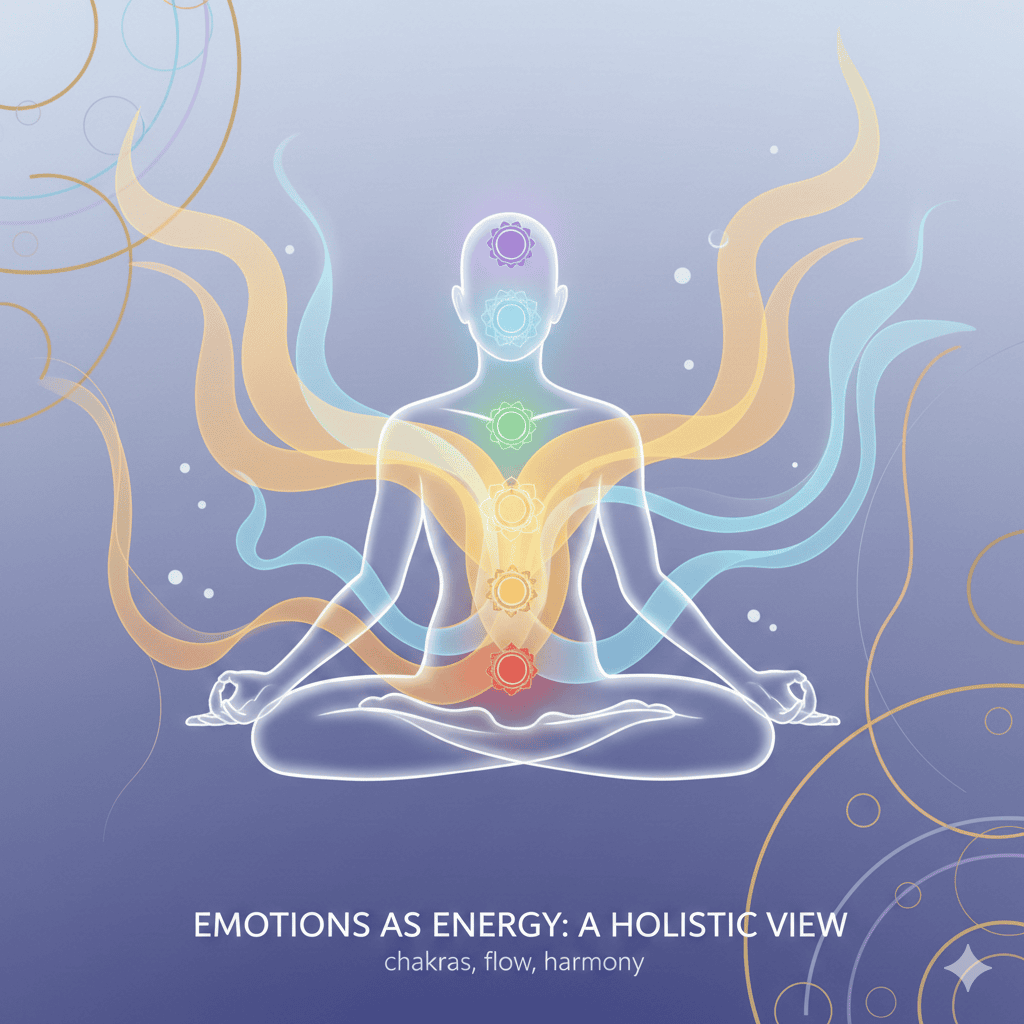
Have you ever noticed how stress tightens your shoulders or how anxiety creates knots in your stomach?
Understanding how emotions affect your body isn’t just fascinating—it’s essential for your overall wellbeing.
Your feelings aren’t just “in your head”; they create real, tangible impacts throughout your entire physical system.
In this guide, you’ll discover the profound connection between your emotional state and physical health, learn why certain emotions manifest as specific ailments, and explore practical ways to restore harmony within yourself.
The Foundation: What Are Emotions Really?
Emotions are stored in your subconscious mind and act as anchors connecting your conscious awareness to the physical world. Think of them as the substance that shapes your daily experiences and physical reality.
Here’s what many people don’t realize: emotions aren’t separate, distinct forces. Instead, they represent varying degrees of one fundamental energy—love. When you understand this principle, you begin to see emotional challenges in an entirely new light.
Love as the Core Energy
Love isn’t an emotion itself, but you experience it through your emotions. Imagine a beautifully tuned harp: the strings produce many different sounds and harmonies, but it’s the entire instrument working together that creates the music. Your emotions are like those strings—they express love in countless ways, creating what seems like separate feelings.
This perspective transforms how you approach emotional health. Rather than fighting against “negative” emotions, you can recognize them as disruptions in the natural flow of love through your system.
Understanding Anger and Frustration
What you identify as anger doesn’t actually exist as a separate force. Instead, anger represents a blockage of love—it’s the absence rather than a presence. When understanding how emotions affect your body, this distinction becomes crucial.
Think of anger as a traffic jam in your energy system. Love wants to flow freely, but something creates resistance, causing frustration to build. This blockage manifests physically in predictable ways:
- Tension in your jaw and shoulders
- Tightness across your chest
- Increased heart rate and blood pressure
- Digestive disturbances
Rather than expressing anger or suppressing it, ask yourself: “Why am I frustrated with these circumstances? What’s blocking the flow of harmony here?” This inquiry shifts you from reaction to understanding, which is where healing through consciousness begins.
The Truth About Fear and the Unknown
Fear stems from lack of knowledge—it’s your response to the unknown. Looking directly into what you don’t understand can feel overwhelming, yet ignorance burdens your spirit more than anything else.
Here’s an empowering truth: the only thing you can truly be ignorant of is the divine pattern shaping your experiences. When you recognize that everything unfolds within a larger intelligence, fear loses its grip. Understanding becomes the antidote, transforming dread into curiosity.
This is why gaining control over your mind is so powerful—you learn to observe your fears without being controlled by them.
How Emotional Blockages Create Physical Disease
Your physical body contains a specific pattern of energy resonances generated by your emotional activities. When energy flows smoothly, you experience vibrant health. When emotional blockages and health issues intersect, disruption occurs throughout your system.
The Physical Manifestations
Different emotions affect specific areas of your body:
The Heart: Your heart responds to your capacity to give and receive love. Heart disease often reflects difficulty accepting or expressing love. The phrase “broken heart” carries more literal truth than most realize.
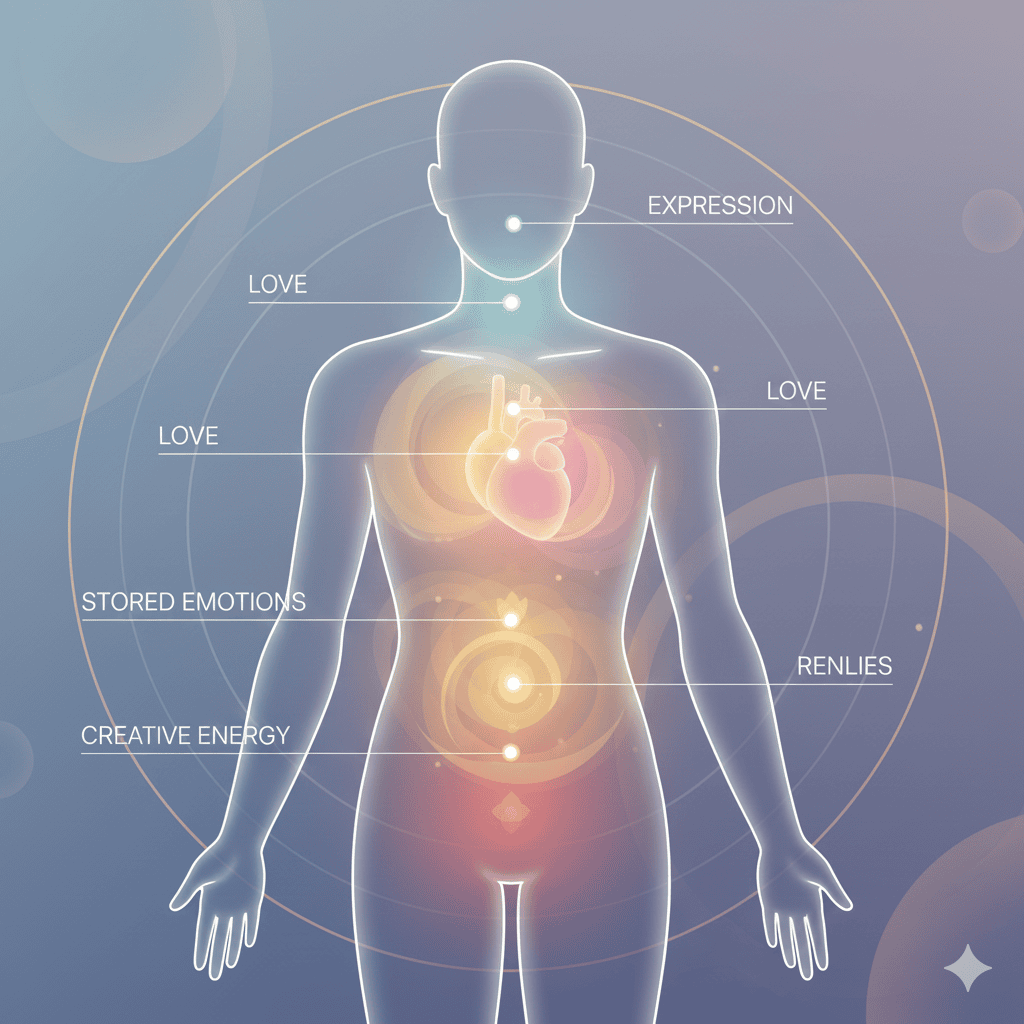
The Abdominal Area: Unpleasant emotions accumulate in your abdomen, particularly around the solar plexus. This storage of negativity frequently produces ulcers and digestive disorders. Notice how anxiety creates “butterflies” or how stress causes stomach pain.
The Throat: Your throat chakra governs expression.
When you suppress what you need to say, throat problems emerge. Chronic sore throats or thyroid issues often indicate unexpressed emotions.
The Lower Chakras: Tensions concerning sexuality and creative expression lodge in your lower chakras. These blockages can manifest as reproductive issues or lower back pain. Learn more from our guide on chakra system, their location, and functions and how to balance different chakras.
This connection aligns with what research shows about how vibrations influence your physical state—your emotional frequency directly impacts your cellular health.
Migraines, Tension, and Stored Emotions
Many migraines result from muscular tension pulling on your cranium or affecting the medulla oblongata area. What triggers this tension? Stored anger and frustration create these critical physical states.
Violence isn’t about suppressing emotions—it’s about storing them until they explode outward. Notice the violent contortions someone’s body makes during an emotional outburst. This reveals emotions that have been accumulated rather than processed healthfully.
Neurosis, Anxiety, and Energy Gaps
Neuroses develop as gaps in the flow of love traveling along your meridian points and nervous system. These gaps create confusion, and confusion breeds fear. Understanding how emotions affect your body through these energy pathways helps explain conditions that conventional medicine struggles with.
When energy flows are interrupted, you experience:
- Confusion and mental fog
- Anxiety and restlessness
- Paranoid thoughts
- Physical tension without obvious cause
Neurosis represents stored activity your body releases gradually, allowing you to process it at your own pace while maintaining relative balance.
Recent scientific studies on emotional regulation and physical health confirm these traditional insights, showing measurable physiological changes linked to emotional states.
The Muscular Structure and Emotional Storage
Your muscular structure holds the physical record of your emotional experiences. When your body’s energies align properly without gaps or voids, your muscles maintain correct alignment. But emotional blockages and health problems emerge when harmony is disrupted, causing:
- Slippage in the muscular structure
- Misalignment of muscle tendons
- Chronic tension patterns
- Postural imbalances
This is why bodywork therapies like acupuncture, acupressure, and massage can release stored emotions. When practitioners work on your physical body with intention and care, they help restore the energy flow that got disrupted by unprocessed feelings.
Time, Patience, and the Healing Process
Here’s a perspective shift: time doesn’t heal all things—patience does. True healing comes from restoring harmony with the universal energy flow, which requires patience rather than just waiting.
Patience slows your metabolism to its correct alignment, not with the external time-space continuum, but with love—the original harmony binding everything together. When you master patience, you begin mastering the effects of time on your metabolic, physiological, and emotional levels.
Practice this: between experiences, abide in patience. When you’re immersed in an experience, you lose track of time naturally. It’s between experiences that emotional strains emerge. By cultivating patience in these gaps, you prevent emotional blockages and health complications from developing.
Healing Through Love and Patience: Practical Steps
The most effective approach for resolving emotional blockages involves recognizing your connection to something greater than yourself. This isn’t about religious dogma—it’s about understanding that you’re part of a larger intelligence that desires your joy.
Daily Practices for Emotional Health
1. Regular Meditation
Rather than suppressing emotions, study them through meditation. Observe the feelings they bring forth, then consciously release them. This practice of being present with your emotions transforms your relationship with them.
2. Inquiry Over Expression
When anger arises, pause before expressing it. Ask: “Why am I frustrated? What’s lacking in my sense of harmony here?” This inquiry reveals the root cause rather than just treating symptoms.
3. Cultivate Self-Awareness
Notice where tension accumulates in your body. Your jaw? Your shoulders? Your stomach? These physical manifestations point directly to emotional patterns needing attention.
4. Practice Patience
Between activities, cultivate conscious patience. This creates space for emotional processing and prevents the accumulation of unresolved feelings.
5. Restore Energy Flow
Explore gentle bodywork modalities that restore meridian balance. Techniques emphasizing tenderness and connection between practitioner and client prove most effective.
The Role of Faith in Emotional Healing
Faith represents evidence of things unseen—your trust in healing abilities you can’t always measure or see immediately. This faith becomes your most powerful tool for transformation.
When you recognize yourself as part of a larger intelligence, when you understand that wellbeing is your natural state, healing accelerates. This isn’t about blind belief—it’s about aligning with the fundamental harmony underlying existence.
Offer your emotional challenges up to this higher intelligence. When you surrender control while maintaining faith, you allow healing through love and patience to work through you naturally.
Moving Forward: Integration and Practice
Understanding how emotions affect your body gives you tremendous power. You’re no longer a victim of mysterious symptoms or unexplained ailments. Instead, you become an active participant in your healing journey.
Remember these key principles:
- Emotions represent varying degrees of love
- Blockages create physical symptoms in predictable patterns
- Anger is frustration; fear is lack of knowledge
- Your muscular structure stores emotional history
- Patience, not time, heals all things
- Love restores harmony at every level
Start by simply noticing. When physical symptoms arise, ask what emotional pattern might be contributing. When emotions feel overwhelming, check where they’re manifesting in your body. This awareness itself begins the healing process.
Your journey toward emotional and physical harmony isn’t about perfection—it’s about patience, understanding, and consistent practice. As you develop sensitivity to how emotions affect your body, you gain the ability to restore balance before minor disruptions become major problems.
The path forward lies in abiding with patience, meditating regularly, and trusting the healing intelligence within you. Your emotions aren’t enemies to conquer but messengers to understand, guiding you toward greater wholeness.
Frequently Asked Questions
How quickly can emotional healing affect physical symptoms?
Emotional healing affects your physical body immediately at the energetic level, though visible changes vary. Some people experience rapid relief from tension or pain within hours or days, while deeper patterns may take weeks or months to fully transform. Consistent practice accelerates results.
Can meditation really change physical health conditions?
Yes, meditation directly impacts your autonomic nervous system, hormone production, and inflammatory responses. By reducing emotional blockages and health disruptions through regular practice, you create measurable physiological changes that support healing and prevent disease.
What’s the best way to start working with stored emotions?
Begin with gentle awareness rather than forceful techniques. Spend 10-15 minutes daily in quiet observation, noticing where tension resides in your body. Ask simple questions about what emotions might be present, without judgment. This creates space for natural release.
How do I know which emotions are causing specific physical symptoms?
Pay attention to where symptoms manifest—your body follows predictable patterns. Heart issues often relate to love, throat problems to expression, abdominal tension to stored negativity. Trust your intuition and notice what thoughts or memories arise when you focus on symptomatic areas.
Is professional help necessary for emotional healing?
While self-practice is powerful, professional support from therapists, bodyworkers, or energy healers can accelerate healing, especially for deep trauma or persistent patterns. Choose practitioners who work with gentleness, emphasizing the connection between emotional and physical health.
Ready to deepen your understanding? Explore how consciousness shapes your reality and discover more techniques for restoring emotional and physical harmony.